Destination Weddings· 10 min read
Planning a Destination Wedding from Delhi: Where to Go and What It Really Involves
Udaipur, Jaipur, Rishikesh, Goa or overseas? What each destination actually asks of you once the moodboard is closed.
A destination wedding is really a small travel operation with a wedding inside it. Two hundred guests have to arrive, be met, be housed, be fed, be moved between functions, and be sent home — usually somewhere none of them know well.
Delhi is a good place to start one from. You have an international airport, direct trains to Rajasthan, and drivable options within six hours. Here is what each of the common routes actually involves.
Rajasthan — Udaipur, Jaipur, Jodhpur
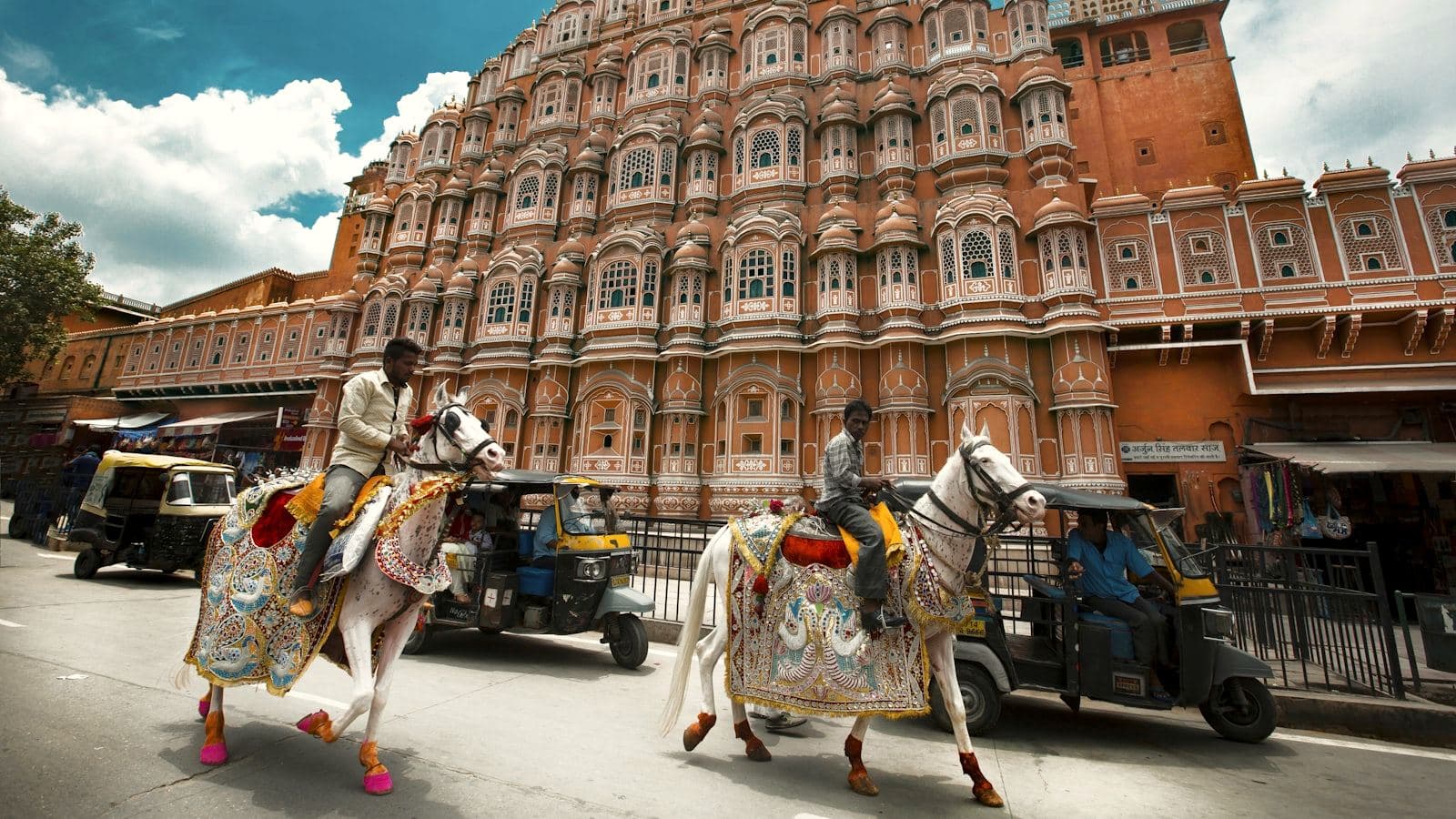
The default, and for good reason. Jaipur is roughly five hours by road or two by train; Udaipur and Jodhpur are short flights or overnight trains.
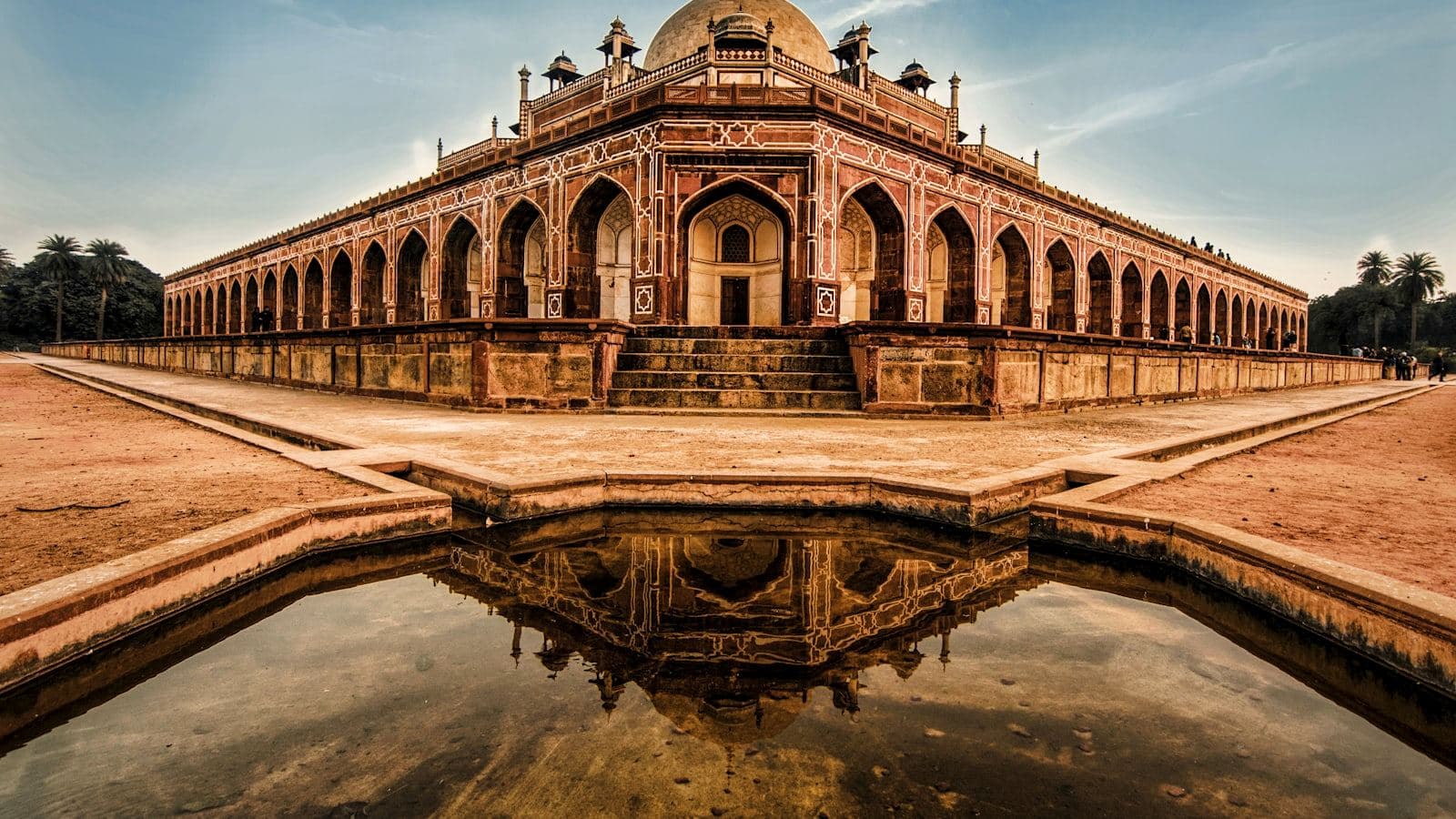
What you get: heritage and palace properties that need very little décor to look extraordinary, an established wedding-vendor ecosystem, and a season — roughly October to March — that lines up with the Delhi wedding calendar.
What to plan for: heritage properties often restrict what can be fixed to walls or hung from ceilings, so structures have to be freestanding. Peak-season dates at the best-known properties get blocked twelve months out. And Udaipur in particular has a hard ceiling on room inventory at the top end — if your guest list is large, you may be splitting across properties, which means shuttles.
Rishikesh, Mussoorie and the hills
Five to seven hours by road, which makes it the easiest genuine "destination" for a Delhi guest list — most people can drive.
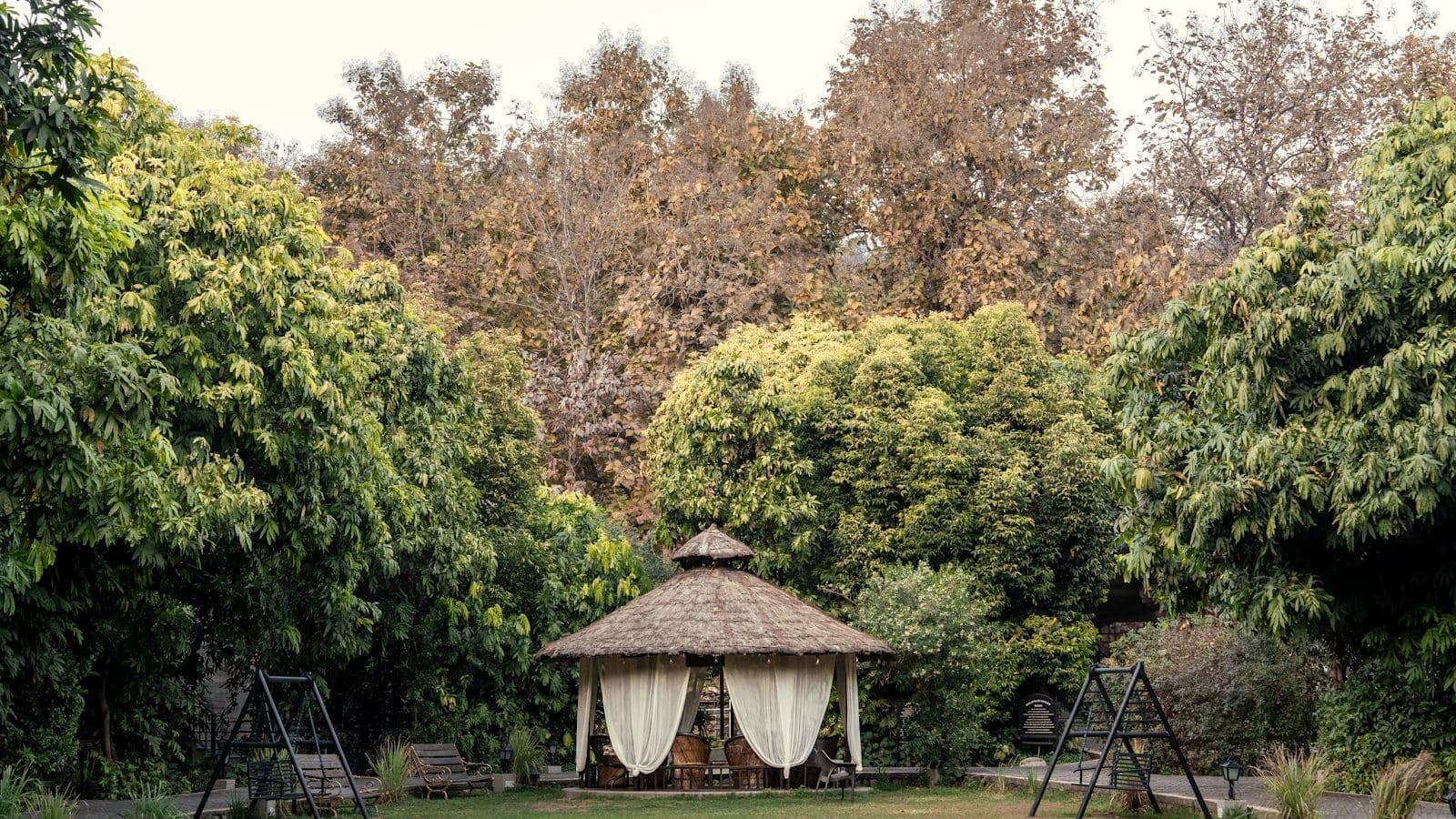
What you get: dramatic backdrops, strong value against Rajasthan, and short travel that keeps elderly guests comfortable.
What to plan for: road access for trucks carrying décor and production is the real constraint — confirm what size vehicle can actually reach the property. Weather is less predictable, and an outdoor function needs a built, standing wet-weather alternative rather than a plan on paper. Altitude affects some older guests.
Goa
A short flight, a completely different mood, and a beach that does a lot of the design work for you.
What to plan for: beach ceremonies live and die on tide timing, wind and permissions — coastal regulations restrict what can be built on the sand, and this is a question for the property, in writing, before you commit. Wind is the most underestimated factor: light fabric and floating florals fail first. Season matters enormously; the monsoon months are not workable for outdoor functions.
Kerala and the south
Backwater resorts and hill properties, with a longer flight and a genuinely different food and hospitality culture. Lovely for smaller, more intimate weddings. Less suited to a 400-guest multi-function celebration, simply because inventory and vendor depth are thinner.
Overseas — Thailand, UAE, Sri Lanka
The economics are less mad than people assume, particularly Thailand, where the per-head resort cost can compete with a five-star Delhi hotel once you account for what is included.
What to plan for: passports and visas for your entire guest list — this alone will eliminate some guests, and you need to know that early. Alcohol and marriage-registration rules differ; most Indian families marry legally at home and hold the ceremony abroad. Shipping décor is expensive, so design around what can be sourced locally. And build a longer runway: twelve months is comfortable.
What actually drives the budget
The wedding itself often costs similar to a good Delhi wedding. What changes is everything around it:
- Whether you cover guest travel and stay. This is the single largest variable, and it is a decision, not a given. Many families cover accommodation and not airfare. Decide it consciously and communicate it early.
- Room block size and length. A three-night block for 150 guests is a very different number to two nights for 80.
- Moving crew and material. Your décor team, production and their equipment have to travel and stay too.
- Local vendor premiums on peak dates in wedding towns.
- Contingency. Weather, delays and last-minute guest changes cost more when you are not at home.
Your guests should only ever experience the wedding. Never the operation behind it.
The logistics that actually decide whether it feels smooth
- 01A guest itinerary sent well in advance — dress codes, timings, weather, what to pack.
- 02Airport meet-and-greet, so nobody arrives at 2 am to an empty terminal.
- 03Room allocation done thoughtfully: elderly guests near lifts, families together.
- 04Welcome kits in the room on arrival, with the schedule printed.
- 05A guest helpline that is not your cousin’s phone.
- 06Shuttles between functions on a published schedule.
- 07Departure management — the most forgotten part, and the one guests remember badly.
How early to start
Six to twelve months is comfortable. The binding constraint is rarely design — it is room inventory on good dates at good properties, and that gets committed early. If you are working with less time, the shortlist narrows quickly but it remains workable; be ready to be decisive.
We plan and run destination weddings end to end — recce, venue contracting, guest travel, permissions, décor, production and a team on the ground. See destination weddings, or tell us where and when.
Written by the Sanskriti Events planning team