Delhi NCR· 7 min read
Permissions, Noise Rules and Timings for Weddings in Delhi NCR
The 10 pm question decides your sangeet running order. Here is what to check, and who is actually responsible.
This is the least glamorous part of planning a wedding in Delhi NCR and one of the most consequential. A single answer — what time the music has to stop — reshapes your entire evening running order.
What follows is a practical orientation, not legal advice. Rules change, enforcement varies between Delhi, Gurgaon, Noida and Ghaziabad, and your venue is the authority on its own licences. Always confirm in writing.
The 10 pm question
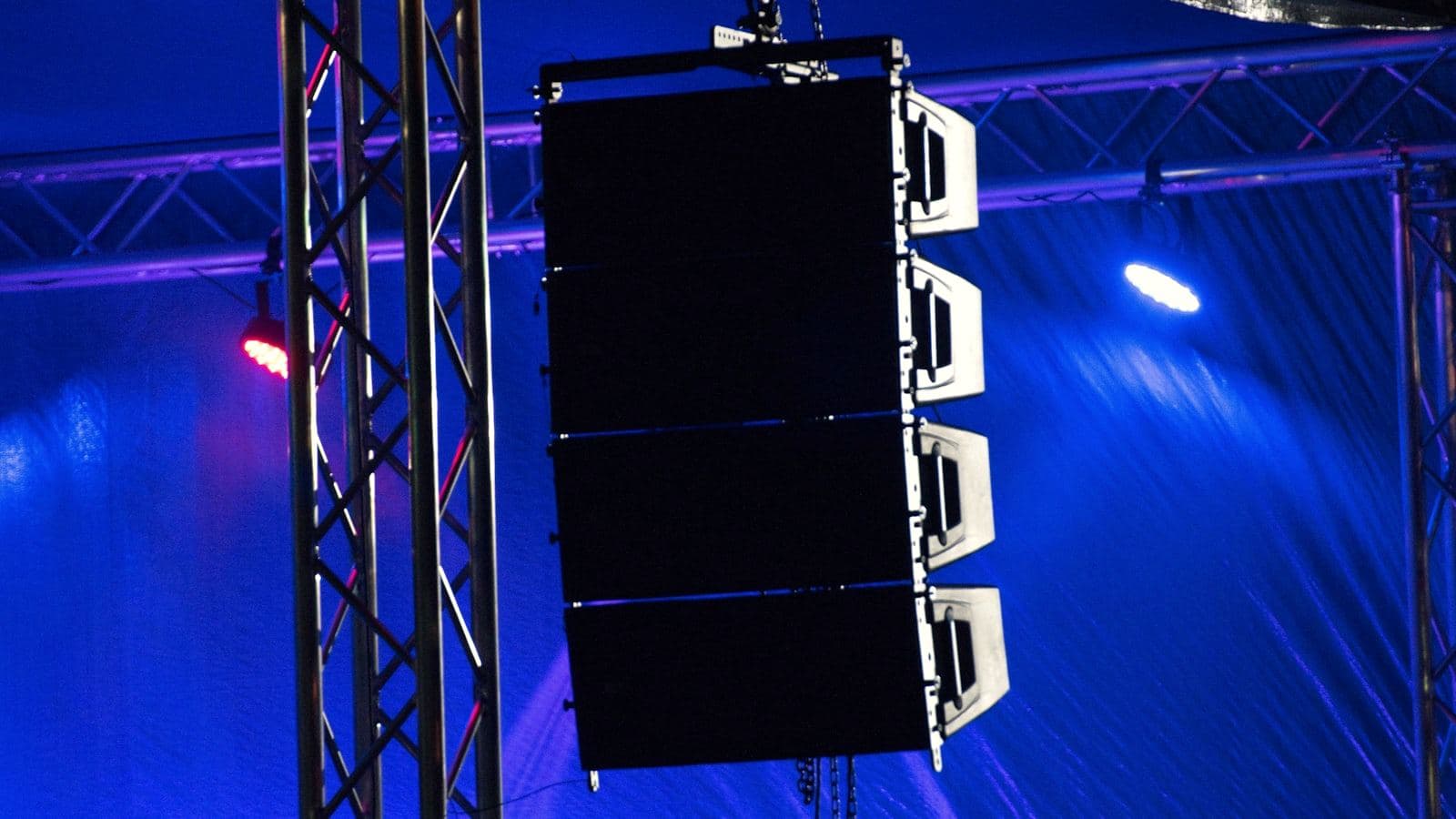
India’s noise pollution rules generally prohibit the use of loudspeakers and public address systems at night — commonly understood as 10 pm to 6 am — with limited, state-notified exemptions on a small number of days each year. Permissible sound levels also differ by zone, with residential areas restricted more tightly than commercial ones, and designated silence zones near hospitals and schools tighter still.
What this means in practice for a Delhi wedding:
- Amplified music at an open-air farmhouse or lawn is the most exposed to enforcement, because it carries into residential surroundings.
- Indoor banquets and hotel ballrooms are considerably more forgiving, because the sound is contained.
- Whether your venue enforces the cut-off strictly or informally varies enormously — and it is the venue, not you, that usually holds the licence.
So the question to ask on the site visit is not "is there a cut-off". It is: what time does amplified music actually stop here, who enforces it, and is that in my contract?
How to design around it
Once you have a real cut-off time, you plan backwards from it rather than hoping.
- 01Fix the cut-off time first and write it at the top of the run of show.
- 02Place the highest-energy segment — the sangeet performances, the band’s main set — well before it, not at the end.
- 03Move speeches and the cake earlier than instinct suggests. They are the segments that overrun.
- 04Plan what happens after: acoustic music, a lower-volume playlist indoors, or simply food and conversation. An abrupt silence at 10 pm ends the evening; a planned transition does not.
- 05Brief the DJ and band on the cut-off in writing. They will otherwise plan for a set that runs past it.
A cut-off you planned for is a transition. A cut-off that surprises you is the end of the party.
Other permissions worth confirming
- Alcohol. Almost always the venue’s licence rather than yours, but confirm it covers your date, your timing and the format — and whether it permits a bar in an outdoor area.
- Fireworks and open flame. Restricted in many areas and at many venues, and subject to seasonal air-quality directions in Delhi NCR. Assume no until the venue says yes in writing.
- Drones. Increasingly restricted, and prohibited outright near airports and certain zones. Your photographer will know, but confirm before it is in the plan.
- Structures and rigging. Anything load-bearing — a heavy mandap, a truss, a hanging installation — needs venue approval, and hotels are far stricter than farmhouses.
- Parking and access. Society and RWA rules for home events; municipal restrictions on road-side parking for larger venues.
- Generators. Where the sanctioned load is insufficient, who supplies backup and where it can physically stand.
Who is responsible for what
A common and expensive misunderstanding. Broadly:
- The venue holds its own licences — alcohol, fire safety, occupancy — and sets its own house rules.
- You or your planner are responsible for what you bring in: structures, sound levels, timings, and vendor conduct.
- Vendors are responsible for their own equipment safety and, where relevant, their own compliance.
The reason to use an event management company that works in Delhi regularly is not that they can bypass any of this. It is that they have already had these conversations with these venues and know which answers to distrust.
The one thing to get in writing
Before signing a venue contract, get these four in the document: the load-in and load-out times, the amplified-music cut-off, what is permitted in terms of rigging and fixing, and the sanctioned power load with backup arrangements.
Every one of them constrains the design. Signing first and asking later is how families end up paying to rebuild a concept that was never going to be permitted.
We handle venue liaison, permissions and compliance as part of wedding planning and corporate events. If you have a venue in mind, send it over and we will tell you what it will and will not allow.
Written by the Sanskriti Events planning team